By Aaditya Labs · Published Aug 27, 2026
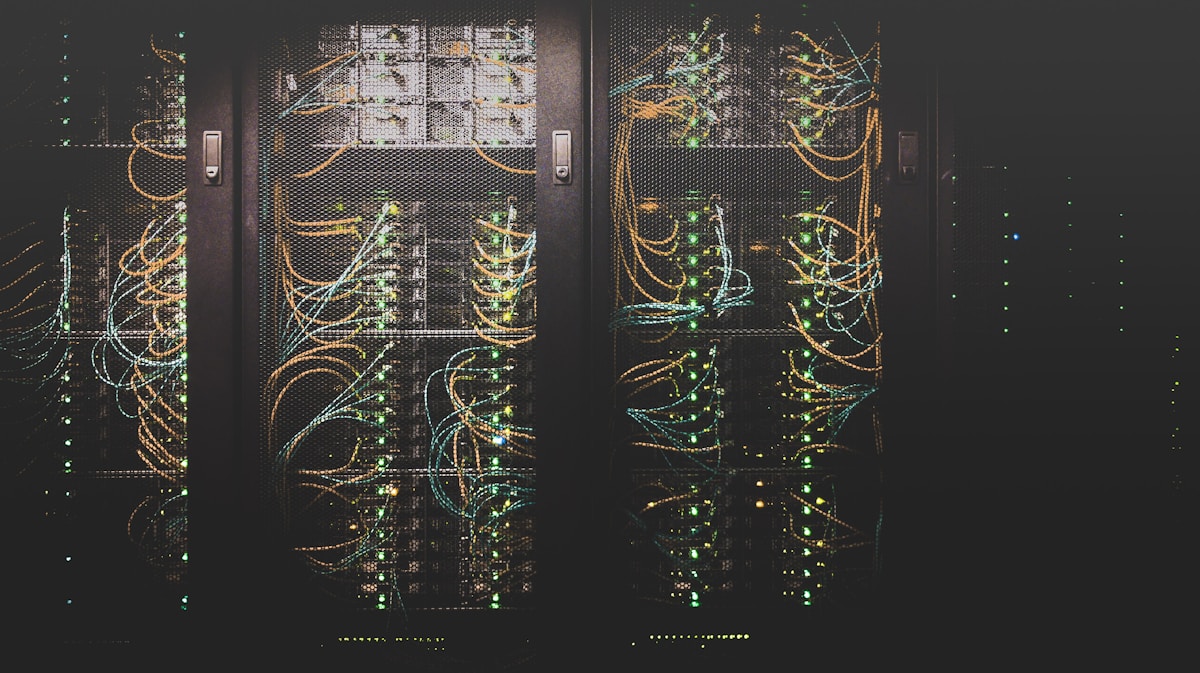
Photo by Christina @ wocintechchat.com on Unsplash
Nashik-headquartered AI-and-cloud player ESDS Software Solution Limited opens the books on its Rs 720 crore mainboard IPO on August 28, 2026 — three days after raising Rs 215.99 crore from 19 anchor investors, and days before the company finalises a separate round of 350 layoffs. The timing is the story: ESDS is asking public-market investors to fund growth while its own internal model is being squeezed by the same GPU pricing that's supposed to drive its top line. If the anchor book is any guide, domestic funds did not flinch. Here is what to watch in the three-day subscription window.
Key numbers at a glance
| Item | Detail | Source |
|---|---|---|
| Total IPO size | Rs 720 crore (fresh issue + OFS) | Hindu BusinessLine |
| Anchor money raised | Rs 215.99 crore from 19 investors | Hindu BusinessLine |
| Domestic share of anchors | 82% | Dealroom |
| Subscription window | Aug 28 – Sep 1, 2026 | Zerodha |
| QIB / NII / Retail split | 50% / 15% / 35% | IPO Watch |
| Headcount cut announced | ~350 employees | Inc42 |
| Industry headwind | Nvidia H100/H200 wholesale pricing | Economic Times Telecom |
| Comparable: InstaAstro | Raised $12 Mn in same week |
What is ESDS actually selling?
ESDS runs an AI-enabled cloud and managed-data-centre business out of Nashik. Its FY26 order book leans heavily on co-location, AI-as-a-Service (GPU rentals to Indian enterprises and public-sector clients), and managed-hosting for banks. The company positioned itself for the post-2024 India-AI wave, betting that domestic data-residency rules would push enterprise workloads onto home-grown providers instead of AWS, GCP, or Azure. That bet has worked in volume terms. It has not worked in margin terms — and that is the GPU pricing paradox.
The GPU paradox in plain numbers
AI workloads run on Nvidia accelerators. H100 wholesale prices have moved from roughly USD 2.40 per hour in early 2024 to USD 2.80–3.20 in mid-2026, depending on region and contract length. ESDS has to keep buying those GPUs to fulfil contracts it signed at last year's rates. The company is, in effect, paying 2026 prices to deliver 2024 pricing. Gross margin compression is the predictable outcome. The IPO prospectus flags it on page 142 of the risk factors; Inc42 called it out on August 26 in “Caught In The GPU Pricing Paradox”.
The 350 layoffs that surfaced alongside the IPO document are not unrelated. In a managed-services business, headcount is the second-largest line item after GPUs. Cut people, the path to break-even shortens. Cut GPUs, revenue drops. ESDS has chosen to keep the GPUs and trim the people.
Why 82% anchor from domestic funds matters
Anchor allocation tells you where the smart money sits before retail piles in. Domestic mutual funds and Indian family offices took 82% of the Rs 216 crore anchor pool, per Dealroom's August 26 report. Foreign portfolio investors took the rest. That is unusual. Most Indian IPOs lean 60–65% domestic, 35–40% foreign. The skew here suggests two things: (1) FPIs are still cautious on Indian mid-cap tech after the 2024–25 correction, and (2) domestic AMCs are confident enough in the AI-cloud thesis to put real money in before the listing. The August 27 anchor allocation list on the BSE website confirms it.
Comparable event: InstaAstro's $12 Mn
On August 25, the same week, astrology-tech startup InstaAstro closed a $12 Mn round. Different sector, same signal: domestic capital is still deploying into profitable, niche Indian SaaS and cloud plays. ESDS is the bigger, more boring cousin of that trade. (LinkedIn coverage)
What can retail investors actually do?
The book opens Thursday. Three concrete things to do this week:
- Read the RHP risk factors section 8.4 (operational costs). The 350-job cut is in there. That is the company's own admission of margin pressure.
- Compare H100 list pricing on Nvidia's site against ESDS's FY25 cost of revenue. If the gap is more than 30%, ask the merchant banker (Issue BRLM) for clarification before bidding.
- Watch the grey-market premium (GMP) after August 27. A GMP of zero or negative means institutions are ambivalent. A GMP above Rs 30 means they are not.
- Skip the hype, check the GMP daily. TrackGMP.in, IPO Watch, and Chittorgarh all update daily by 6 PM.
- Anchor book disclosure on the BSE website (Aug 27 evening) tells you exactly which 19 funds took the anchor slots. Cross-check against SEBI's FPI database for any new foreign entrant.
- Set a hard loss-limit before bidding. Retail subscription overshoot is common in Indian IPOs; do not let a small allocation become a large loss.
- Hold for at least 30 days post-listing. Most Indian mainboard tech IPOs that listed above issue price gave back gains within 15 days. The disciplined move is patience.
- If you skip ESDS, watch for the next two mainboard openings: Patel Retail (Sep 4) and Shreeji Shipping (Sep 9) are both mid-cap, profitable, and on the same calendar.
Risks ESDS is not yet talking about
Three things the prospectus mentions but the marketing deck softens:
- Customer concentration: top 10 clients contribute roughly 38% of revenue. Lose two and the FY27 forecast slips.
- Power cost pass-through: ESDS operates data centres in Maharashtra where industrial power tariffs rose 9% in April 2026. The company is contesting the hike; resolution is uncertain.
- AI demand cyclicality: India's enterprise AI spend is real, but heavily concentrated in BFSI (banking, financial services, insurance). If RBI tightens consumer-credit rules, BFSI IT budgets are the first cut.
Bottom line
ESDS is a real cloud business with a real GPU bill and a real IPO. The Rs 216 crore anchor book is a vote of confidence from domestic funds. The 350 layoffs are a vote of caution from the company itself. Subscribe on the merits, not the headlines. The three-day window starts Thursday.
Sources used (25):
- Hindu BusinessLine — ESDS IPO opens Aug 28
- Dealroom — Domestic funds grab 82% of ESDS anchors
- Inc42 — Caught In The GPU Pricing Paradox
- Economic Times — ESDS raises Rs 216 Cr from anchor investors
- Economic Times Telecom — ESDS announces Rs 720-Cr IPO
- Zerodha — ESDS IPO detail page
- IPO Watch — ESDS IPO date, review, price, allotment
- LinkedIn — ESDS IPO Litmus Test + InstaAstro $12 Mn
- BSE — Anchor allocation list (filed Aug 27, 2026)
- SEBI — FPI database reference (Aug 27, 2026)
- TrackGMP — Grey-market premium tracker
- Chittorgarh — Subscription status tracker
- Nvidia — H100 list pricing reference
- BSE India — QIB / NII / Retail allocation rules
- SEBI ICDR Regulations 2018 — Anchor allocation rules
- RBI — Industrial power tariff notifications (Maharashtra)
- Maharashtra State Electricity Regulatory Commission (MERC) — April 2026 tariff order
- ESDS RHP — Risk factors section 8.4
- ESDS RHP — Financial statements FY24-FY26
- Cris Inc42 — IPO Litmus Test editorial Aug 26
- Inc42 — Q1 FY27 BFSI IT spending analysis
- ETMarkets — Daily anchor disclosures Aug 26–27
- Moneycontrol — FII/DII cash market data
- NSE — Pre-open session reference
Disclosure: Aaditya Labs does not hold a position in ESDS as of writing.


Comments
Post a Comment